-
2024 ~
-
2024
-
2023
-
2024
𓃗 materials↓
oil, aluminum, paper
𓃗 dimensions↓
listed below
𓃗 words↓
doing talk is a byproduct of self talk.
self-talk is a procedure of multiple iterations of shitty translation.
self-talk forces me to switch between the roles of author and reader. I suppose the act of painting is the act of the author and the observing of painting is the act of the reader. I repeat switching between the two roles. To force myself to be the reader, I set a timer for 1 hour and observe. While reading my work I do not question how to further work on them, such as what marks I should make as the author. Distanced from my own work, I slowly observe as if looking at someone else's work. If I find visually interesting parts, I often make drawings from those parts during this reading session. Drawing is quick and less burdensome. It is a reader's analysis, which, borrowing from Roland Barthes, is a writerly reading. After the hour for the reader is over the author's session starts. During this time, although I do not refer back to the drawings I made during the reading session, my body and eyes are used to the lines and shapes from the drawings. The author deliberately places and uses these forms inside a frame to create a picture. This is the writing. Together, the reading and writing session is one self-talk session, and the entire process is a repetition of these sessions. As I repeat self-talk, the painting diverges from where the first author started, and it alters depending on the decisions made by the readers and authors of each session. Using my definition of language and context, self-talk is a translation of context but not language. I maintain the language of painting, but as the painting evolves, the reader and author are placed in different contexts.
𓃗 images↓
the duck or sheep one; oil, acrylic, aluminum (48.5cm x 32.5cm)
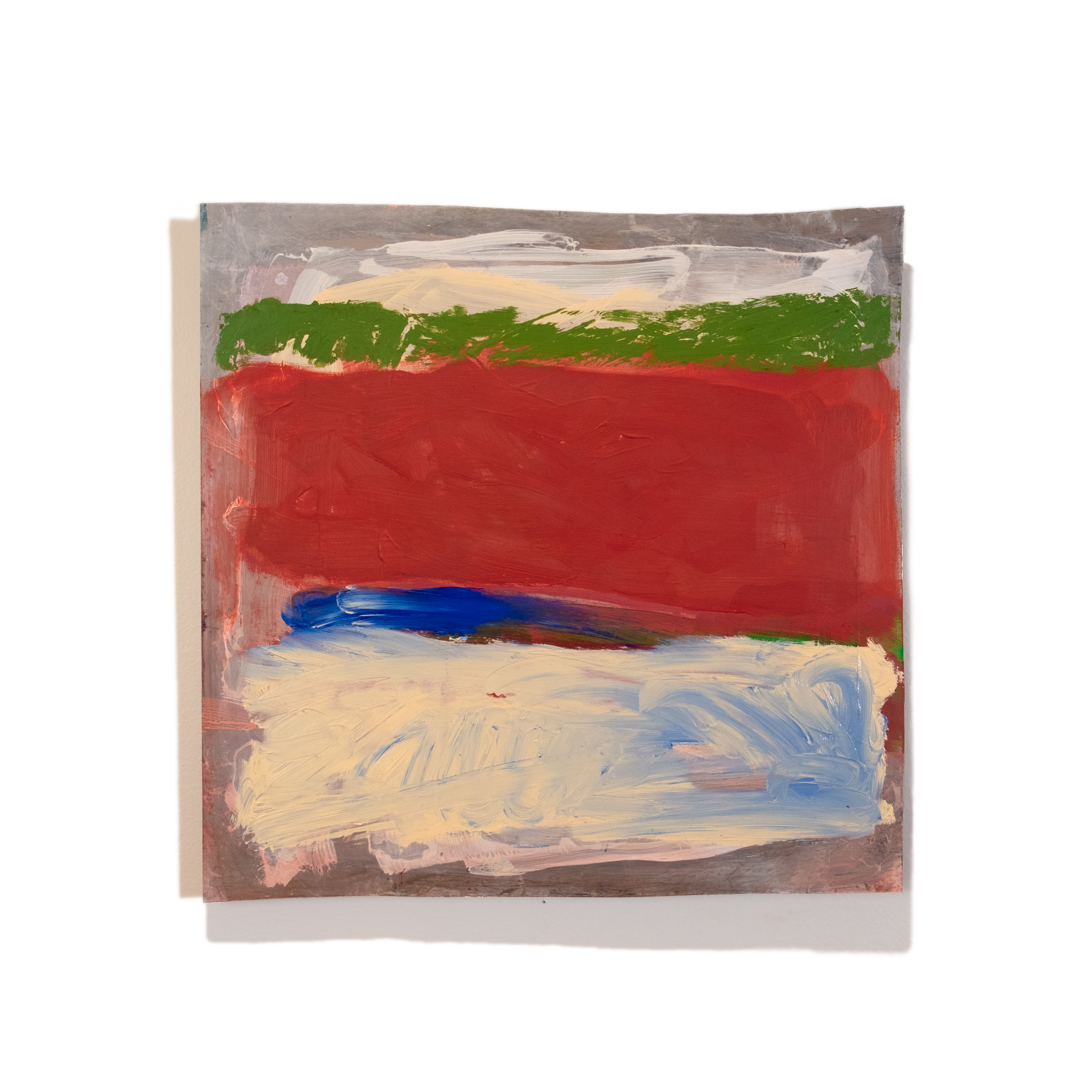
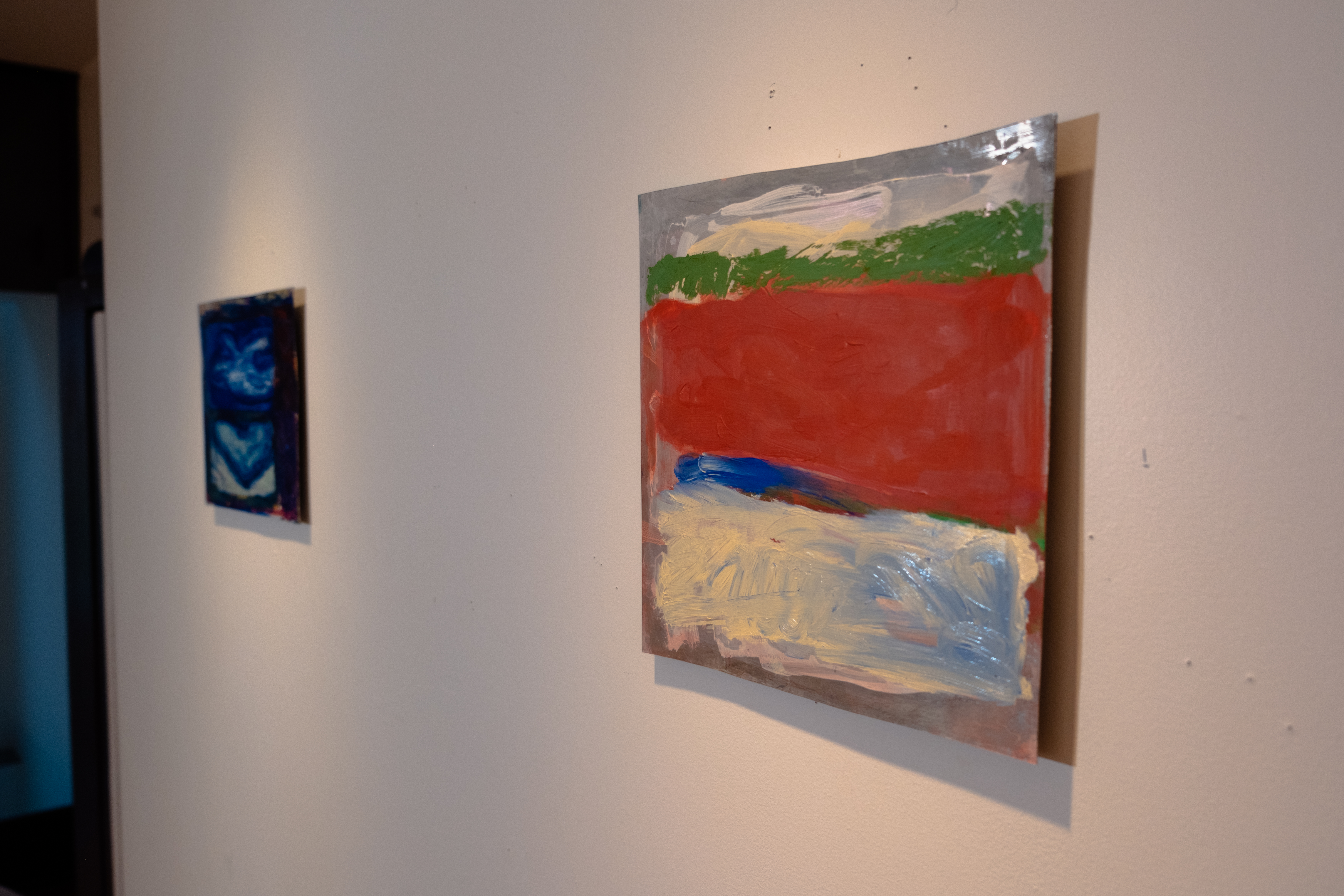
the rothko-ish one; oil, acrylic, aluminum (31cm x 31cm)
installation image from doing talk, 2024, Yale University
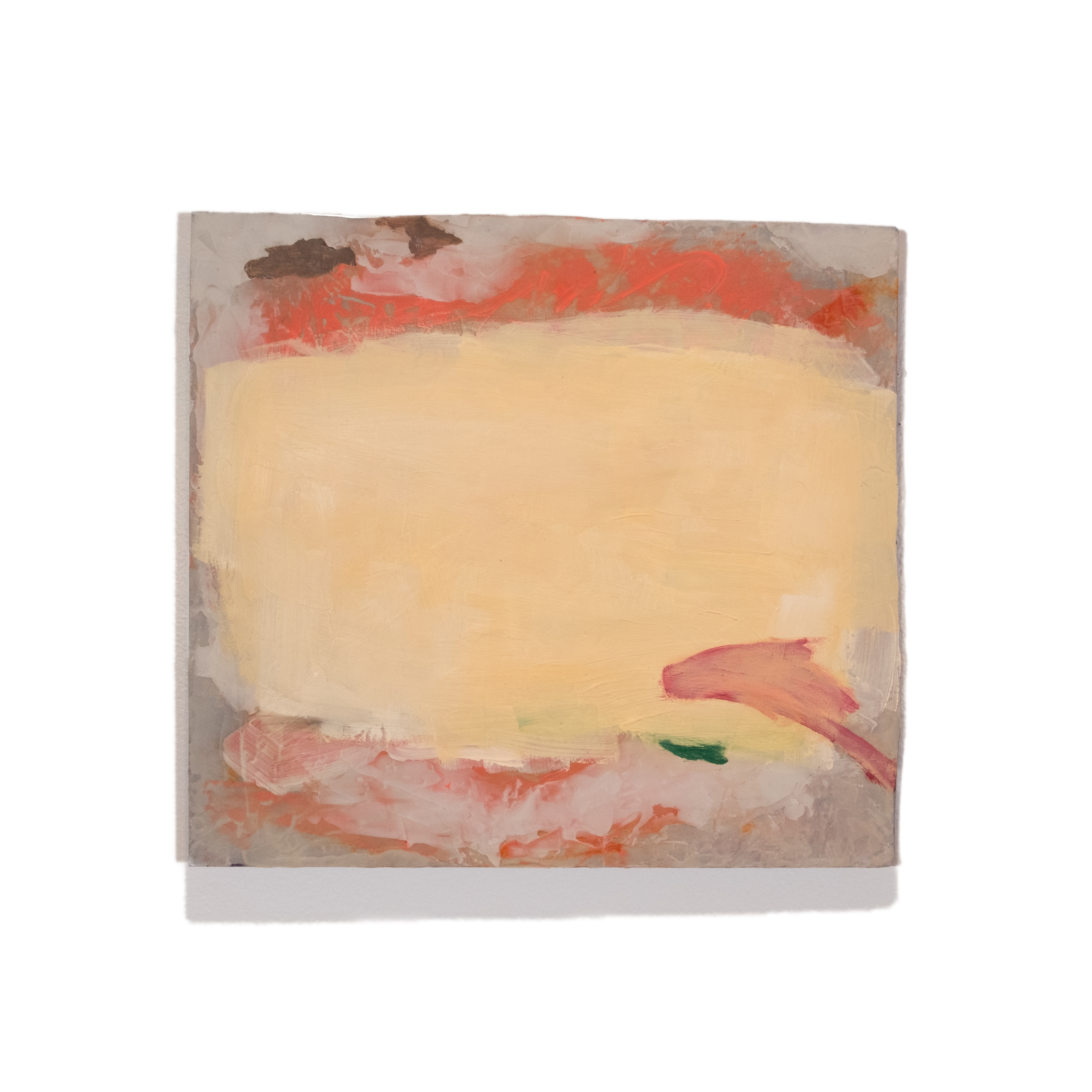
the other one; oil, acrylic, aluminum (33.5cm x 31.5cm)
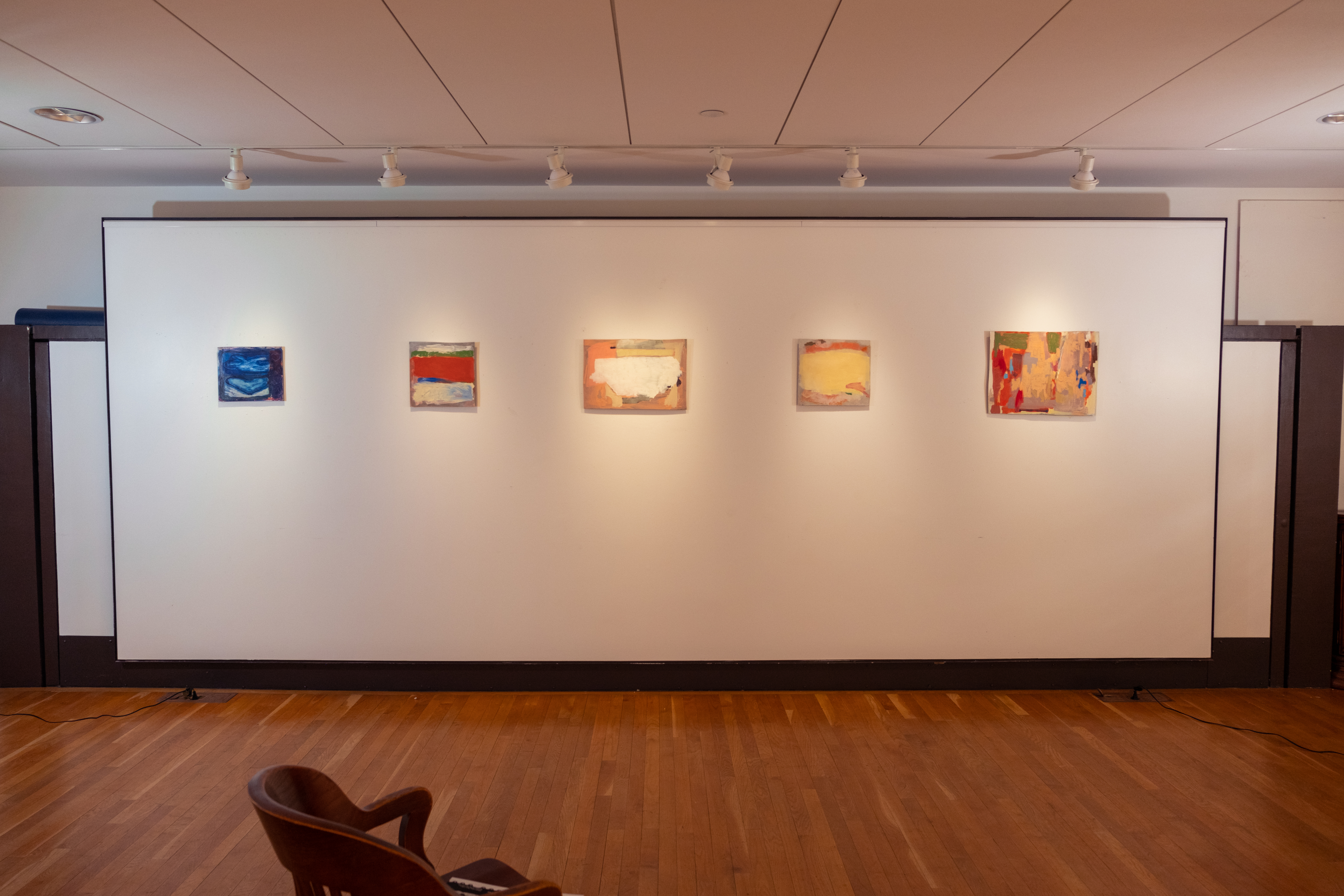
installation image from doing talk, 2024, Yale University
the blue one; oil, acrylic, aluminum (31cm x 26cm)
installation image from doing talk, 2024, Yale University
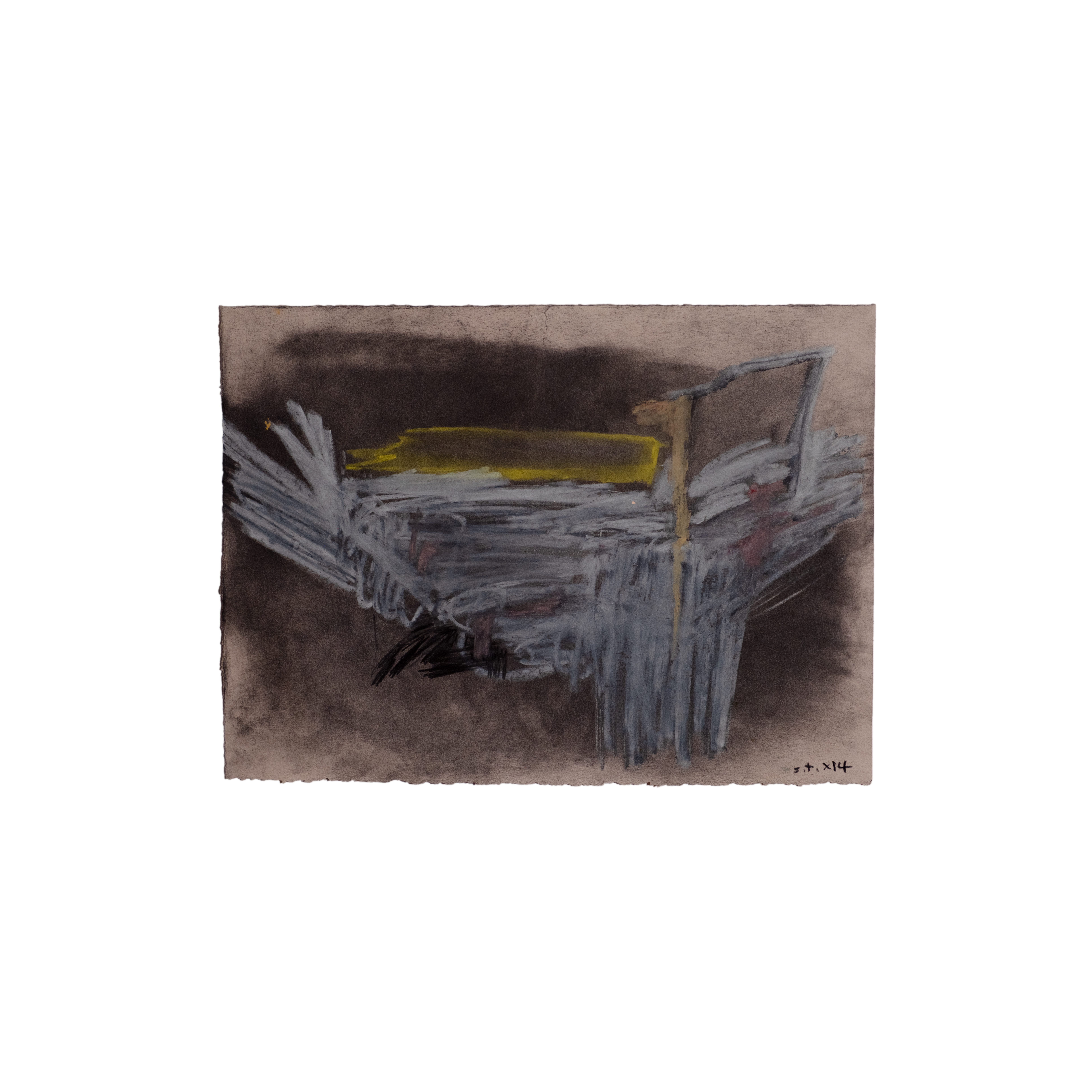
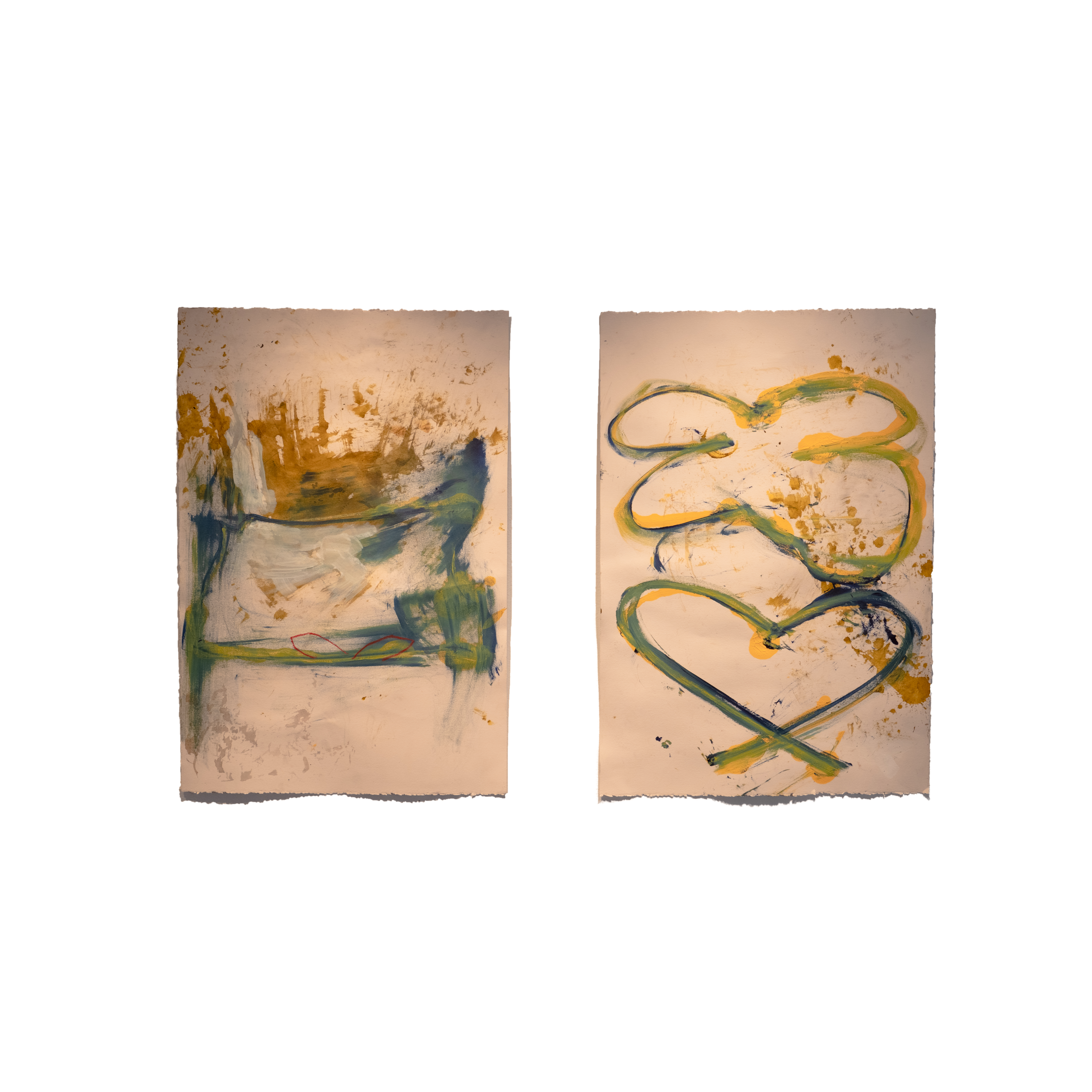
untitled; oil, charcoal, paper (cm x cm)
untitled; oil, charcoal, paper (cm x cm)
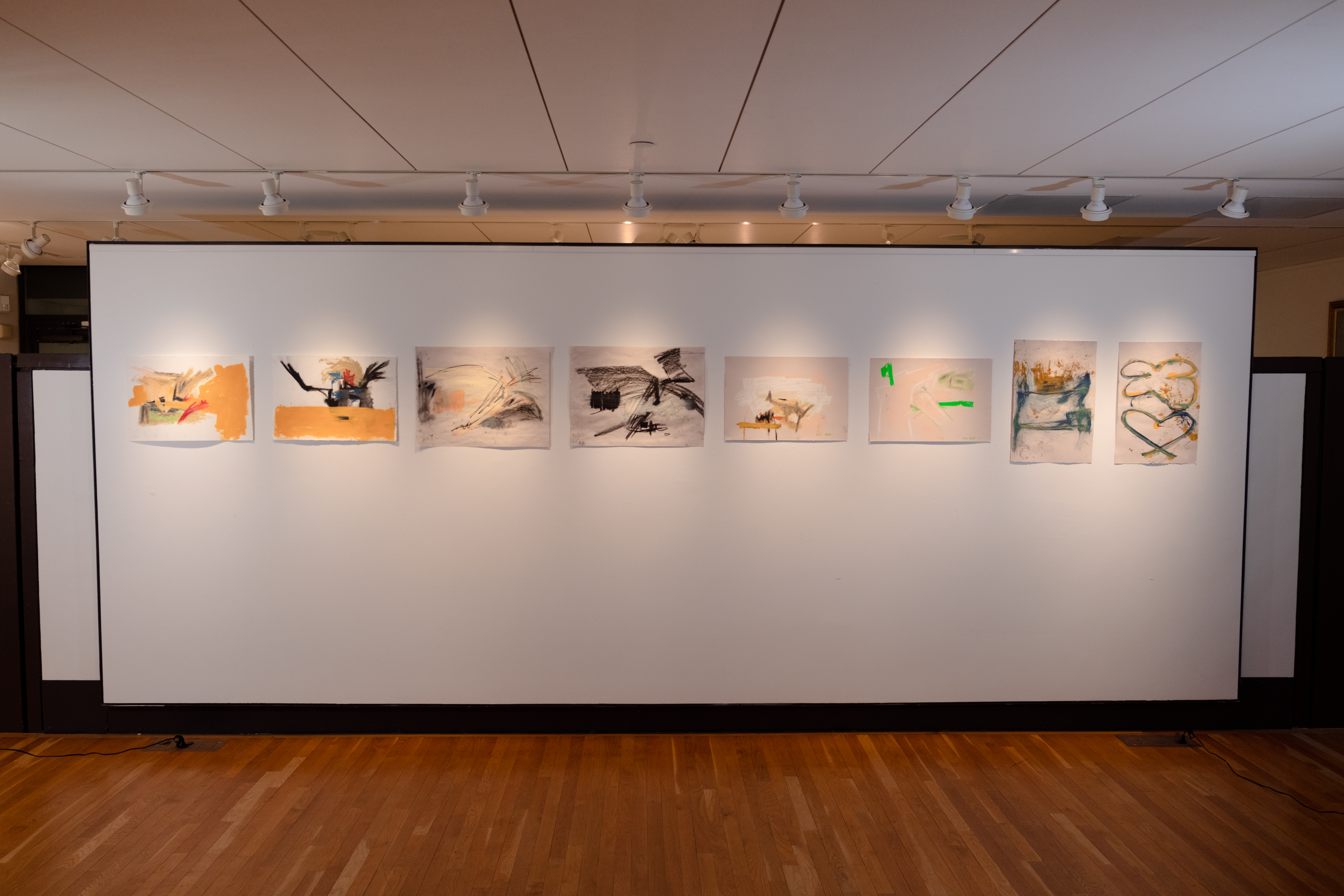
installation image of drawings from doing talk, 2024, Yale University
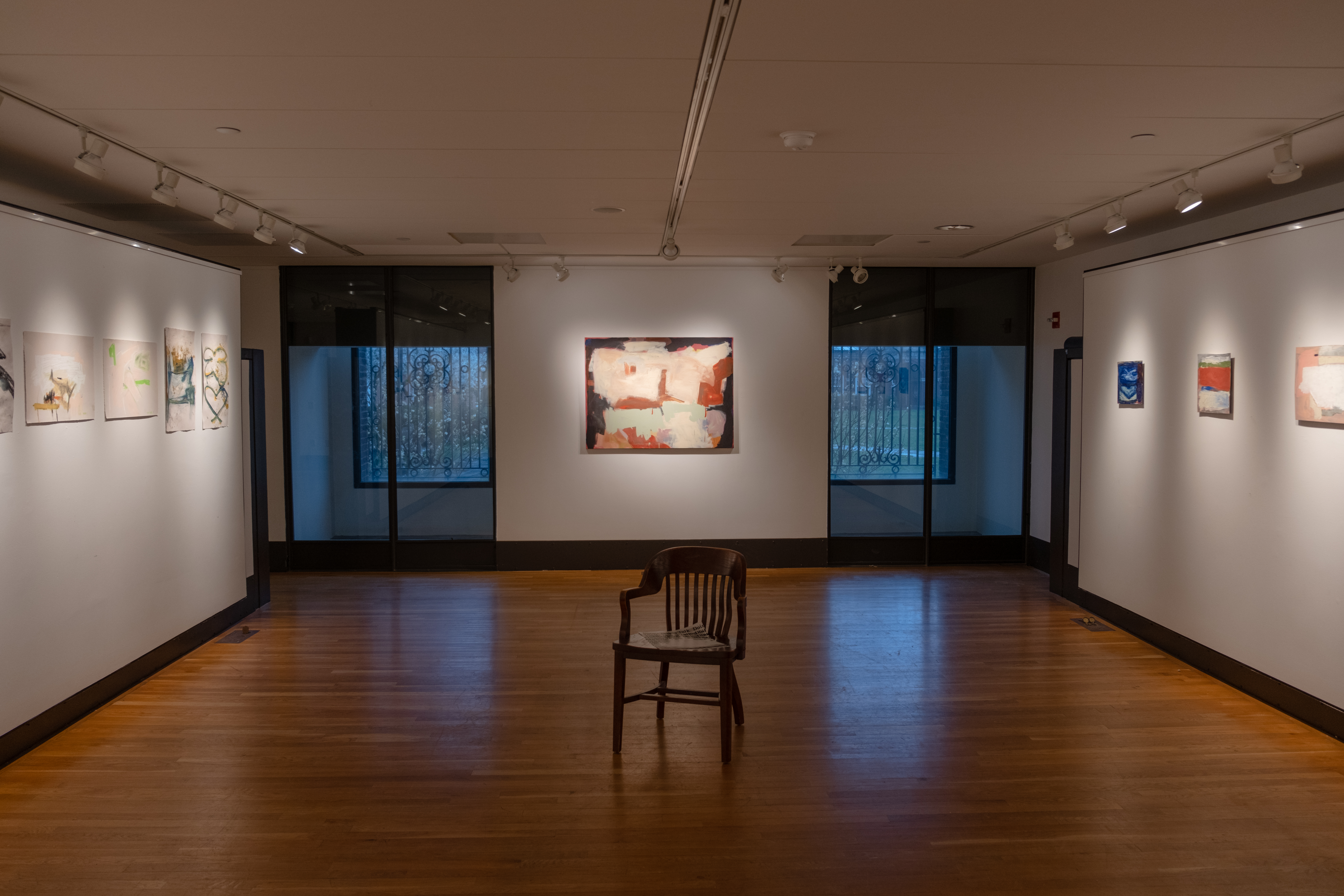
installation image from doing talk, 2024, Yale University
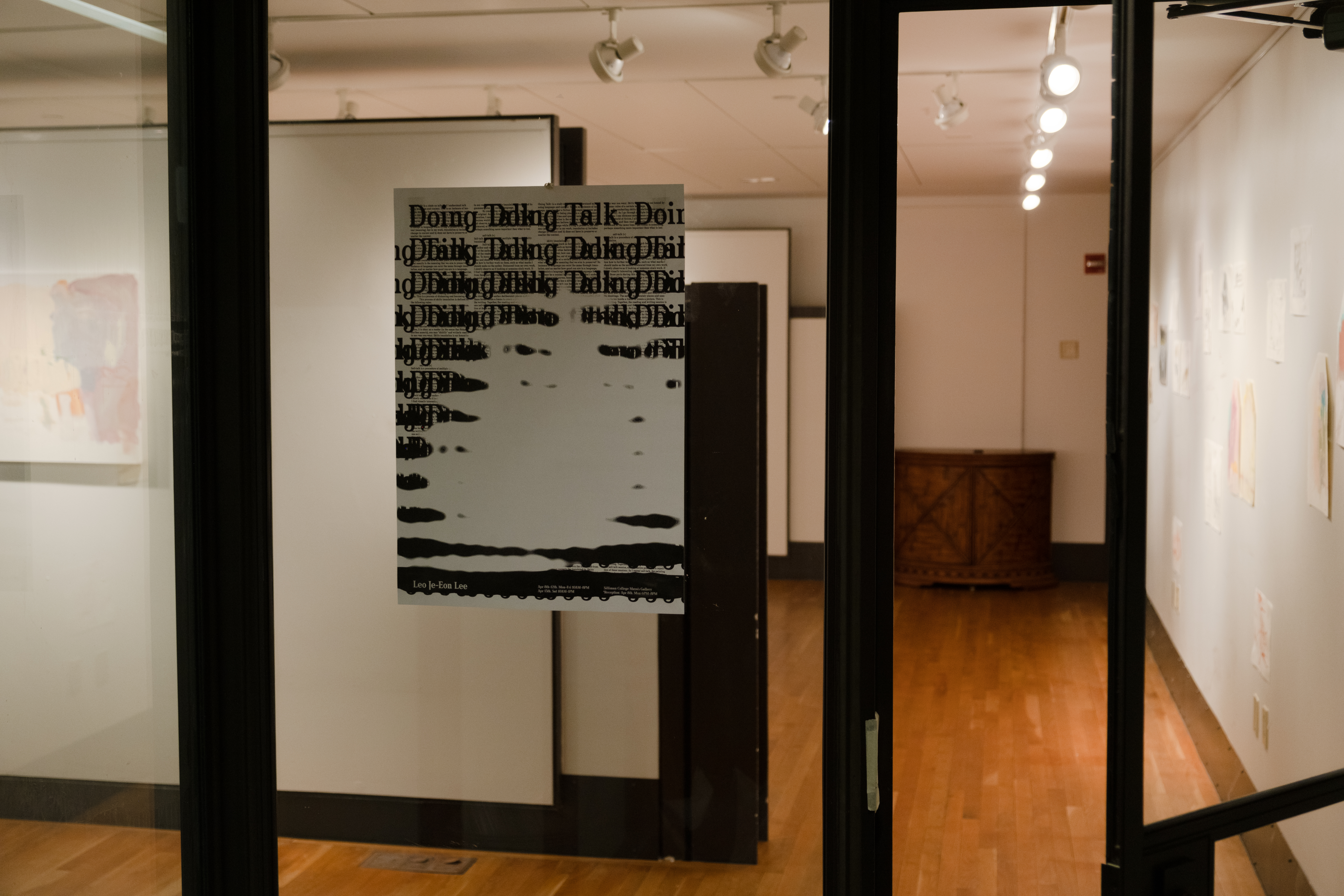
poster from doing talk, 2024, Yale University



-
2024 ~
-
2024
-
2023
-
2024
𓃗 materials↓
oil, aluminum, paper
𓃗 dimensions↓
listed below
𓃗 words↓
doing talk is a byproduct of self talk.
self-talk is a procedure of multiple iterations of shitty translation.
self-talk forces me to switch between the roles of author and reader. I suppose the act of painting is the act of the author and the observing of painting is the act of the reader. I repeat switching between the two roles. To force myself to be the reader, I set a timer for 1 hour and observe. While reading my work I do not question how to further work on them, such as what marks I should make as the author. Distanced from my own work, I slowly observe as if looking at someone else's work. If I find visually interesting parts, I often make drawings from those parts during this reading session. Drawing is quick and less burdensome. It is a reader's analysis, which, borrowing from Roland Barthes, is a writerly reading. After the hour for the reader is over the author's session starts. During this time, although I do not refer back to the drawings I made during the reading session, my body and eyes are used to the lines and shapes from the drawings. The author deliberately places and uses these forms inside a frame to create a picture. This is the writing. Together, the reading and writing session is one self-talk session, and the entire process is a repetition of these sessions. As I repeat self-talk, the painting diverges from where the first author started, and it alters depending on the decisions made by the readers and authors of each session. Using my definition of language and context, self-talk is a translation of context but not language. I maintain the language of painting, but as the painting evolves, the reader and author are placed in different contexts.
𓃗 images↓
the duck or sheep one; oil, acrylic, aluminum (48.5cm x 32.5cm)
the rothko-ish one; oil, acrylic, aluminum (31cm x 31cm)
installation image from doing talk, 2024, Yale University
the other one; oil, acrylic, aluminum (33.5cm x 31.5cm)
installation image from doing talk, 2024, Yale University
the blue one; oil, acrylic, aluminum (31cm x 26cm)
installation image from doing talk, 2024, Yale University
untitled; oil, charcoal, paper (cm x cm)
untitled; oil, charcoal, paper (cm x cm)
installation image of drawings from doing talk, 2024, Yale University
installation image from doing talk, 2024, Yale University
poster from doing talk, 2024, Yale University
-
2024
-
2024
-
2023
-
2024
𓃗 materials↓
oil, aluminum, paper
𓃗 dimensions↓
listed below
𓃗 words↓
doing talk is a byproduct of self talk.
self-talk is a procedure of multiple iterations of shitty translation.
self-talk forces me to switch between the roles of author and reader. I suppose the act of painting is the act of the author and the observing of painting is the act of the reader. I repeat switching between the two roles. To force myself to be the reader, I set a timer for 1 hour and observe. While reading my work I do not question how to further work on them, such as what marks I should make as the author. Distanced from my own work, I slowly observe as if looking at someone else's work. If I find visually interesting parts, I often make drawings from those parts during this reading session. Drawing is quick and less burdensome. It is a reader's analysis, which, borrowing from Roland Barthes, is a writerly reading. After the hour for the reader is over the author's session starts. During this time, although I do not refer back to the drawings I made during the reading session, my body and eyes are used to the lines and shapes from the drawings. The author deliberately places and uses these forms inside a frame to create a picture. This is the writing. Together, the reading and writing session is one self-talk session, and the entire process is a repetition of these sessions. As I repeat self-talk, the painting diverges from where the first author started, and it alters depending on the decisions made by the readers and authors of each session. Using my definition of language and context, self-talk is a translation of context but not language. I maintain the language of painting, but as the painting evolves, the reader and author are placed in different contexts.
𓃗 images↓
the duck or sheep one; oil, acrylic, aluminum (48.5cm x 32.5cm)
the rothko-ish one; oil, acrylic, aluminum (31cm x 31cm)
installation image from doing talk, 2024, Yale University
the other one; oil, acrylic, aluminum (33.5cm x 31.5cm)
installation image from doing talk, 2024, Yale University
the blue one; oil, acrylic, aluminum (31cm x 26cm)
installation image from doing talk, 2024, Yale University
untitled; oil, charcoal, paper (cm x cm)
untitled; oil, charcoal, paper (cm x cm)
installation image of drawings from doing talk, 2024, Yale University
installation image from doing talk, 2024, Yale University
poster from doing talk, 2024, Yale University